
-
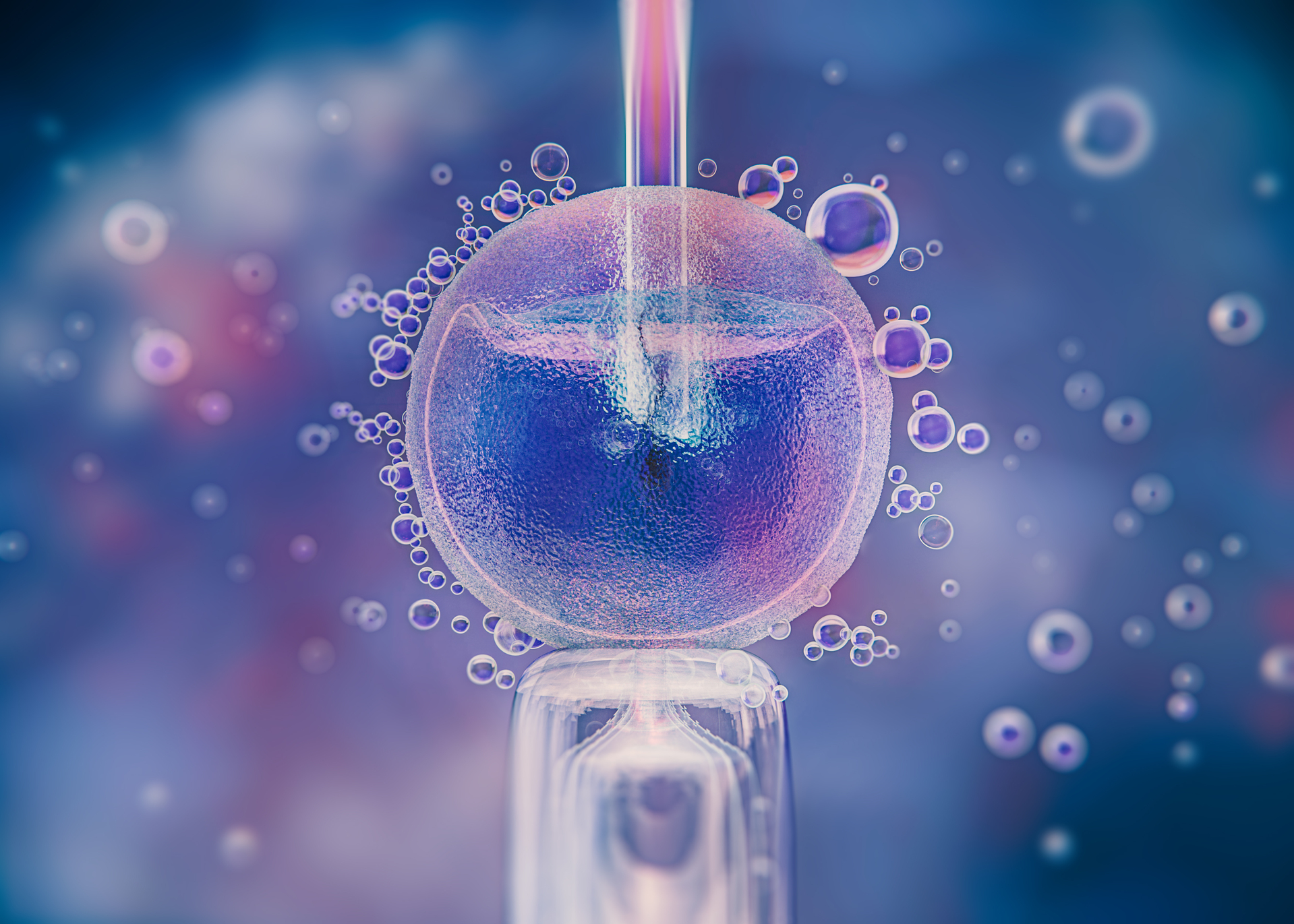
In vitro Fertilization & intracytoplasmic sperm injection .
Know More
Intra-Cytoplasmic Sperm Injection ICSI Fertility Treatment in Dubai
Intra-cytoplasmic sperm injection (ICSI) is a specialized form of assisted reproductive technology (ART) used to treat male infertility issues. It is particularly effective for couples who have struggled with conceiving due to male factor infertility, such as low sperm count or poor sperm quality.
During the ICSI procedure, which is often performed as part of an in vitro fertilization (IVF) cycle, a single sperm is injected directly into the cytoplasm of a mature egg. This differs from traditional IVF, where sperm and eggs are mixed in a laboratory dish and fertilization occurs more naturally.
The process of ICSI begins with the female partner undergoing ovarian stimulation to produce multiple eggs. These eggs are then retrieved from the ovaries and placed in a culture dish. Meanwhile, the male partner provides a semen sample, which is processed in the laboratory to isolate the healthiest and most motile sperm.
Using a specialized microscope and micromanipulation tools, a single sperm is carefully selected and immobilized. The sperm is then injected into the center of the egg using a fine glass needle, under the guidance of the microscope. After injection, the fertilized egg (now called an embryo) is monitored for signs of successful fertilization and development.
The success of ICSI depends on various factors, including the quality of the sperm and eggs, the skill of the embryologist performing the procedure, and the overall health of the couple. It is important to note that ICSI does not guarantee pregnancy, but it can significantly improve the chances of fertilization and successful pregnancy for couples facing male infertility issues.
In vitro fertilization (IVF) and intracytoplasmic sperm injection (ICSI) are two assisted reproductive techniques that have revolutionized the treatment of infertility. In this blog, we will explore the basics of IVF and ICSI, and how they can help couples struggling with infertility.
Intracytoplasmic Sperm Injection (ICSI): How It Works and Treatment Plan
Intracytoplasmic Sperm Injection (ICSI) is an advanced assisted reproductive technology (ART) used to treat male infertility issues by directly injecting a single sperm into an egg. This procedure is often recommended when conventional IVF (In Vitro Fertilization) or other fertility treatments have not been successful.
How Does ICSI Work?
During ICSI, mature eggs are retrieved from the female partner through a minor surgical procedure known as follicular aspiration. The embryologist then selects a single healthy sperm from the male partner's semen sample and immobilizes it using a specialized needle. The selected sperm is then carefully injected into the cytoplasm of the retrieved egg using a micromanipulation technique under a microscope.
Once the sperm is injected, the egg is placed in a culture medium and monitored for fertilization. Successful fertilization is indicated by the presence of two pronuclei – one from the egg and one from the sperm. The fertilized egg, now called a zygote, is then cultured in the laboratory for a few days before being transferred into the woman's uterus.
ICSI Treatment Plan
Before starting an ICSI treatment, both partners will undergo a series of tests to assess their fertility status. The female partner will undergo ovarian reserve testing, hormone testing, and a transvaginal ultrasound to evaluate her ovarian function and reproductive organs' health. The male partner will provide a semen sample for analysis to determine sperm count, motility, and morphology.
Once the tests are completed, the couple will meet with a fertility specialist to discuss the treatment plan. The female partner will undergo ovarian stimulation using hormonal medications to increase the number of mature eggs available for retrieval. The male partner will provide a semen sample on the day of egg retrieval for use in the ICSI procedure.
After the eggs are retrieved and the sperm is prepared, the ICSI procedure will be performed. Any resulting embryos will be cultured in the laboratory for 3-5 days before being transferred into the woman's uterus. Additional embryos may be cryopreserved for future use.
ICSI is a highly effective treatment for male infertility that allows couples to achieve their dream of having a child. By injecting a single sperm directly into an egg, ICSI bypasses many common causes of male infertility and increases the chances of successful fertilization and pregnancy.
IVF Treatment in Dubai
In vitro fertilization (IVF) is a technique used to fertilize an egg outside of the body. The process involves several steps, including:
• Ovarian Stimulation: During ovarian stimulation, the woman receives medication aimed at stimulating her ovaries to produce multiple eggs.
• Egg Retrieval: The eggs are retrieved from the ovaries using a needle guided by ultrasound.
• Fertilization: In a laboratory dish, the eggs are fertilized with sperm from the partner or a donor.
• Embryo Transfer: The woman's uterus receives the fertilized embryos during the embryo transfer process.
ICSI Treatment in Dubai
ICSI, short for Intracytoplasmic Sperm Injection, is a procedure wherein a single sperm cell is used to fertilize an egg, involving the following steps:
• Ovarian Stimulation: The woman undergoes ovarian stimulation, which involves taking medication to encourage the ovaries to produce multiple eggs.
• Egg Retrieval: During egg retrieval, a needle guided by ultrasound is used to retrieve the eggs from the ovaries.
• Sperm Collection: Sperm is collected from either the partner or a donor during sperm collection.
• Injection: The process involves using a fine needle to inject a single sperm directly into the egg.
• Embryo Transfer: The fertilized embryos are transferred into the woman's uterus during the process of embryo transfer.
When are IVF and ICSI Used?
IVF and ICSI are often employed after other fertility treatments, like medications or intrauterine insemination (IUI), have not yielded success. IVF is frequently chosen for female infertility issues like blocked fallopian tubes or endometriosis. Conversely, ICSI is typically employed for male factor infertility, including low sperm count or poor sperm motility. In certain situations, both techniques may be combined to enhance the likelihood of successful fertilization and pregnancy.
Benefits of IVF and ICSI
IVF and ICSI have several potential benefits, including:
• IVF and ICSI can help increase the chances of pregnancy for couples struggling with infertility.
• Genetic Testing: IVF and ICSI allow for genetic testing of the embryos, which can help identify any potential genetic disorders.
• Improved Success Rates: IVF and ICSI have high success rates, with up to 50% of IVF cycles resulting in pregnancy and over 60% of ICSI cycles resulting in pregnancy..
World class Infertility treatment for your Parenthood
Want a free second opinion?
Please Fill the Form and Request A Call Back.
Bringing Back Hope..