
-
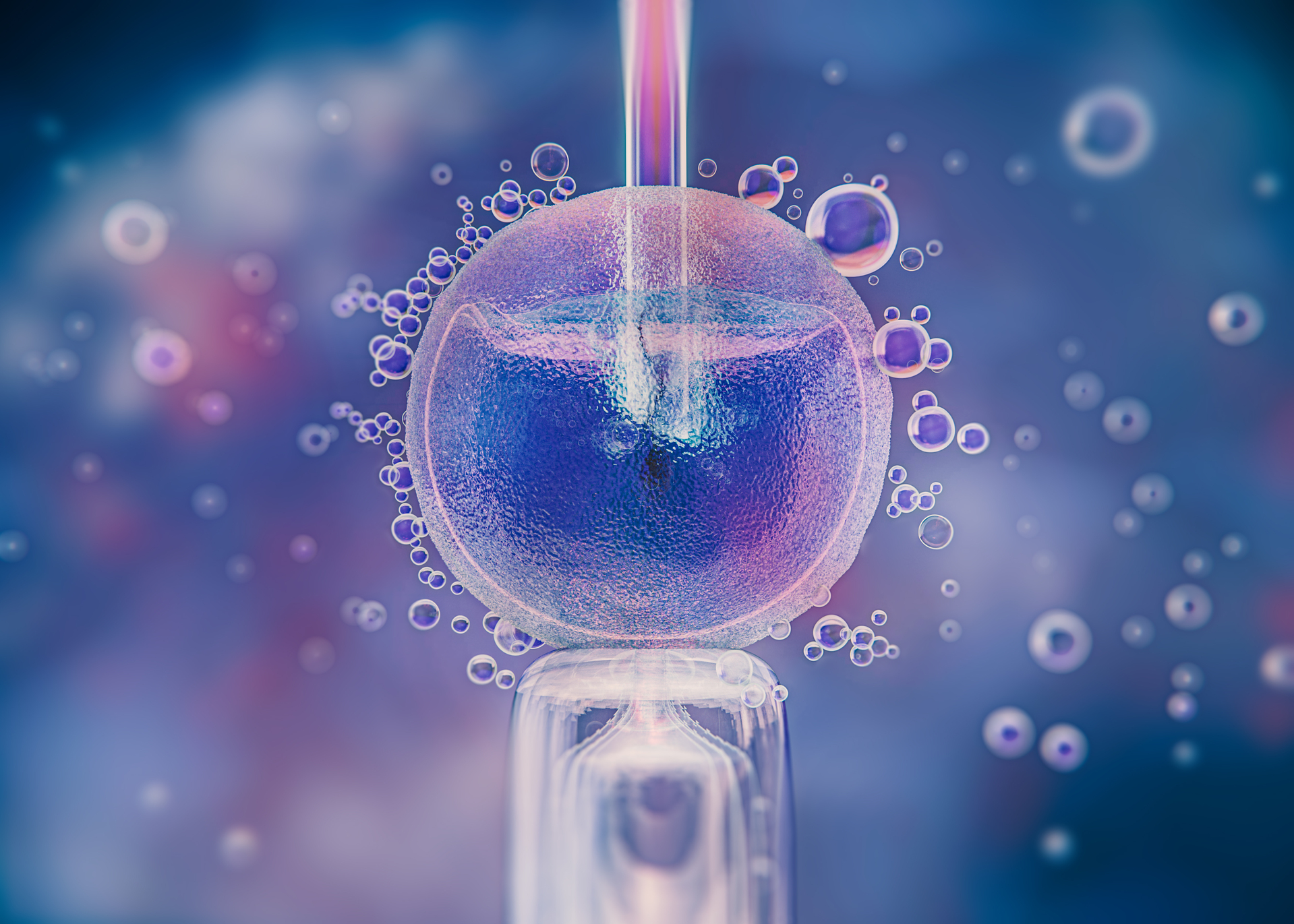
Fertility Preservation.
Know More
Fertility Preservation Clinic in Dubai
What is Fertility Preservation
Fertility preservation is a crucial option for individuals facing circumstances that may threaten their future fertility. Medical treatments like chemotherapy and radiation can damage reproductive organs, making conception difficult or impossible later on. In such cases, preserving mature eggs or sperm through cryopreservation allows individuals to retain the possibility of having biological children.
Assisted reproductive technologies (ART), including in vitro fertilization (IVF), can help individuals or couples conceive using preserved eggs or sperm. IVF involves fertilizing eggs with sperm in a lab and then implanting the resulting embryos into the uterus. This technique offers hope to those who have preserved their reproductive material, as it can overcome fertility challenges caused by various conditions.
Fertility preservation not only provides a chance for biological parenthood in the face of medical challenges but also offers peace of mind and empowerment to individuals and couples regarding their reproductive futures
Fertility preservation refers to the process of saving or protecting eggs, sperm, or reproductive tissue to be used later for conception. This is especially important for individuals facing medical treatments that may affect their fertility, such as chemotherapy or radiation therapy for cancer. The Fertility Preservation Clinic in Dubai offers comprehensive services for individuals looking to preserve their fertility. These services include sperm freezing in Dubai for men and egg freezing services for women.
One of the key aspects of fertility preservation at the clinic is oncological preservation services, which are tailored specifically for cancer patients. Cancer treatments can often have detrimental effects on fertility, so it is crucial for individuals undergoing such treatments to consider preserving their reproductive options beforehand.
The clinic in Dubai provides personalized care and support for cancer patients, ensuring that they have access to the latest advancements in fertility preservation techniques. By offering these services, the clinic aims to give individuals the opportunity to pursue their dreams of starting a family even after undergoing cancer treatment.
Overall, the Fertility Preservation Clinic in Dubai plays a vital role in supporting individuals who wish to preserve their fertility for future use, especially in the face of challenging medical conditions like cancer.
Fertility preservation methods for women and people designated female at birth (DFAB)
Fertility preservation is a crucial consideration for women and people designated female at birth (DFAB) who may wish to have children in the future. Several methods exist to preserve fertility, offering hope and options for those facing treatments or conditions that may impact their reproductive abilities. Here are some common fertility preservation methods:
• Egg Freezing (Oocyte Cryopreservation):Eggs are retrieved from the ovaries, frozen, and stored for later use. This method is suitable for women and DFAB individuals who want to preserve their fertility due to medical treatments like chemotherapy, or for personal reasons such as delaying childbearing.
• Embryo Freezing (Embryo Cryopreservation):Eggs are retrieved, and fertilized with sperm, and the resulting embryos are frozen and stored.
This method is commonly used by couples undergoing in vitro fertilization (IVF) who have excess embryos, which can be stored for future use.
Why Fertility Preservation in Dubai?
Fertility preservation in Dubai is a better option for several reasons. Firstly, Dubai is home to some of the most advanced and well-equipped fertility clinics in the world, offering state-of-the-art facilities and highly skilled medical professionals. These clinics utilize cutting-edge technology and innovative techniques to ensure the highest chances of success in fertility preservation procedures.
Secondly, Dubai's healthcare system is known for its high standards of quality and safety. Patients undergoing fertility preservation in Dubai can expect to receive top-notch care and attention throughout their treatment journey, with access to comprehensive support services and resources.
Additionally, Dubai is a global hub with a diverse population, which means that fertility clinics in the city cater to a wide range of cultural and religious backgrounds. This diversity ensures that patients receive personalized care that respects their individual beliefs and values.
Moreover, Dubai's strategic location makes it easily accessible to patients from across the Middle East and beyond. This accessibility, combined with the city's reputation for excellence in healthcare, makes Dubai an attractive destination for individuals seeking fertility preservation services.
Methods of fertility preservation
There are several methods of fertility preservation available. These include:
• Egg freezing: Egg freezing, or oocyte cryopreservation, is a method of preserving a woman's eggs for future use. The process involves stimulating the ovaries with hormones to produce multiple eggs, which are then retrieved and frozen for later use.
• Sperm freezing: Sperm freezing, or sperm cryopreservation, is a method of preserving a man's sperm for future use. The process involves collecting a semen sample, which is then frozen and stored for later use.
• Embryo freezing: Embryo freezing, or embryo cryopreservation, is a method of preserving embryos created through in vitro fertilization (IVF) for future use. The process involves retrieving eggs from the ovaries, fertilizing them with sperm in a laboratory, and then freezing the resulting embryos.
• Ovarian tissue freezing: Ovarian tissue freezing is a newer method of fertility preservation that involves removing and freezing a portion of a woman's ovarian tissue. This tissue can be used in the future to produce eggs through in vitro maturation (IVM) or transplantation.
Benefits of fertility preservation
The benefits of fertility preservation include:
• Delayed childbearing: Fertility preservation can allow individuals to delay starting a family until they are ready, without worrying about age-related declines in fertility.
• Medical treatments: Fertility preservation can allow individuals undergoing medical treatments that may affect their fertility, such as chemotherapy or radiation, to preserve their reproductive potential for future use.
• Genetic conditions: Fertility preservation can allow individuals with genetic conditions that may affect their fertility, such as Turner syndrome or fragile X syndrome, to preserve their reproductive potential for future use.
The limitations of fertility preservation
The limitations of fertility preservation include:
• Cost: Fertility preservation can be expensive and may not be covered by insurance.
• Success rates: The success rates of fertility preservation can vary depending on the method used, the age of the individual at the time of preservation, and other factors.
• Ethical considerations: Fertility preservation raises ethical questions about the use and disposal of frozen eggs, sperm, or embryos, as well as the creation of embryos using donor gametes.
Conclusion
In conclusion, fertility preservation is an important option for individuals who wish to preserve their reproductive potential for future use. There are several methods of fertility preservation available, each with its benefits and limitations.
It is important to work with a qualified fertility specialist to determine which method of fertility preservation is right for you.
World class Infertility treatment for your Parenthood
Want a free second opinion?
Please Fill the Form and Request A Call Back.
Bringing Back Hope..